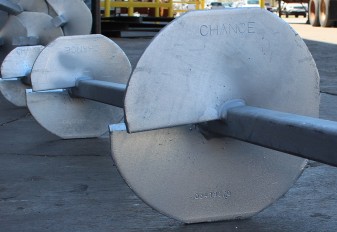
£19.8M Torcross coastal defence scheme begins with 90,000 tonnes of rock armour


Sources: gov.uk, megaproject.com
Want to read more like this story?

Cardiff coastal defence scheme tackles severe erosion and complex ground conditions
Mar, 20, 2026 | NewsConstruction of the Cardiff Coastal Defence scheme at Rover Way is advancing as part of a £35.2 mil...

Sea defence upgrades protect iconic Folkestone rail route
Jan, 07, 2026 | NewsMajor coastal defence works have commenced at Folkestone Warren to safeguard the strategically impo...

Nor’easter threatens U.S. east coast with major flooding and coastal erosion
Oct, 11, 2025 | NewsA powerful coastal storm, classified as a nor’easter, is rapidly intensifying off the southeastern...

Wales strengthens climate resilience with historic flood funding
Feb, 27, 2026 | NewsThe Welsh Government has announced a record £85 million investment in flood and coastal erosion ris...

Coastal landslide destabilizes cliffside Chalets in Devon as erosion risks intensify
Mar, 27, 2026 | NewsA coastal landslide along the East Devon coastline has destabilised several beach chalets at Bransc...
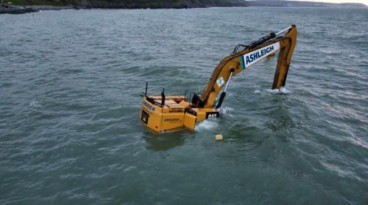
Navigating Challenges in Coastal Construction: The Aberaeron Excavator Incident
Aug, 13, 2024 | NewsRecently, an excavator being used for the £32 million Aberaeron Coastal Defence Scheme encountered...

iCoast: a new application from USGS to monitor coastal changes
May, 30, 2014 | NewsiCoast: Did the coast change? This is the question that users of the new crowdsourcing application l...

Portsmouth Coastal Scheme: colossal coastal protection project about to begin
Jan, 30, 2015 | NewsAn extended coastal protection project is about to begin in Portsmouth, UK, covering nearly 13km of...

Texas beaches likely to erode, be overwashed, or inundated by Hurricane Harvey
Aug, 27, 2017 | NewsUSGS Coastal Change Forecast model predictions indicate that Hurricane Harvey is likely to cause sig...
On This Day
October 23rd 2011
READ MORE
Related Video

Trending

Tiebacks vs. soil nails: Choosing the right earth retention solution
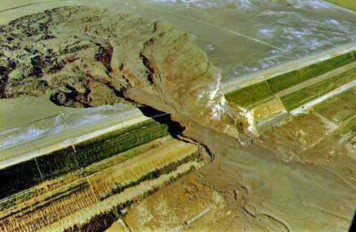
When Dams Fail: The Growing Crisis of Tailings Management

Mexico City’s sinking crisis mapped by next-generation satellite
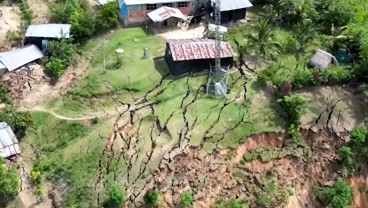
Landslide in Northern Peru Forces Evacuation of Over 170 Residents
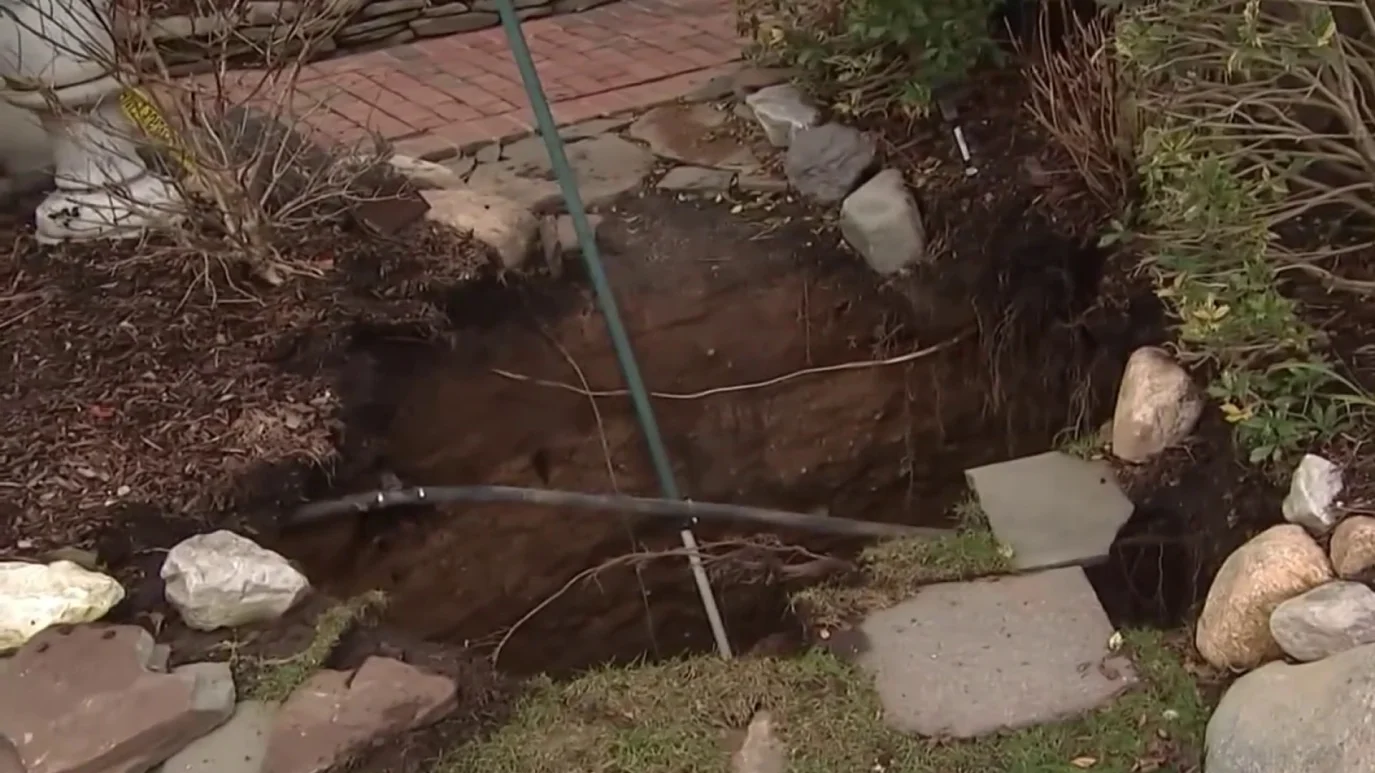
Sinkhole outside home in Huntington Station, on Long Island: 3 fall into

Tailrace tunnel breakthrough advances Australia’s largest renewable project

A Legacy of Leadership, Mentorship & Service: Gary L. Seider P.E.