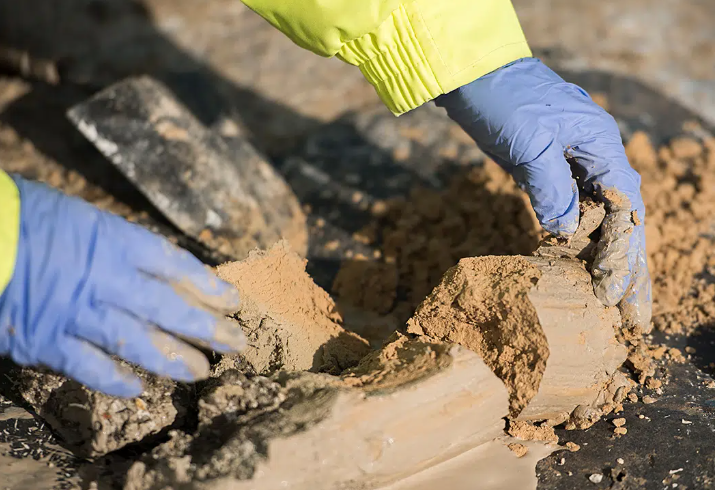
New UK bill aims to unlock geotechnical data and save billions in infrastructure projects
Sources: newcivilengineer.com, hansard.parliament.uk, construo.io
Want to read more like this story?

How geotechnics can make life simpler, safer and more certain for infrastructure projects
Dec, 10, 2021 | NewsFor any transportation project it’s essential to have a clear view of the subsurface and any proble...

Bentley’s OpenGround Cloud Platform: Increase the Value of your Geotechnical Data
Jul, 21, 2020 | NewsOpenGround Cloud, Bentley's secure enterprise cloud collaboration platform for geotechnical data ma...

Leapfrog Works
Dec, 29, 2022 | Software
Bentley System announces availability of OpenGround Cloud: The secure, cloud-based collaboration platform for geotechnical data management
Sep, 17, 2020 | NewsBentley Systems, Incorporated, has announced the availability of OpenGround Cloud, a new cloud serv...

YII 2020 - ACCELERATE Digital Cities Webinar Series: OpenGround, from Ground to Cloud
Oct, 27, 2020 | NewsEnsure that your project starts on solid ground from planning and analysis to operation. Deliver ge...

Bentley YII 2021 Going Digital Awards in Infrastructure: Finalists in Geotechnical Engineering Project Delivery
Nov, 29, 2021 | NewsFinalists in this industry category demonstrate excellence and significant digital advancements. Un...
Brownfield success: Engineering excellence starts below ground
May, 06, 2026 | NewsWhy environmental and geotechnical teams must unite data and work as one to better manage risks in b...

Life after gINT - Rethinking geotechnical data management for a new era
Mar, 26, 2026 | NewsA turning point for the industry gINT has long been the backbone of geotechnical data management....

Bentley Webinar: Advance your digital workflow with OpenGround
Aug, 27, 2021 | EventJoin Katie Aguilar, Application Engineer, Kyle Hao Shen, Product Advancement Engineer and Seequent...
On This Day
August 6th 1932
READ MORE
Related Video

Trending

China's Three Gorges Dam under pressure: Flood hazard downstream

Functional requirements of foundation structures


Landslide in Papua New Guinea: At least 12 people dead

Nepal’s Himalayan settlements face escalating flood and landslide threats