Two workers killed after soil collapse at water pipeline site in central Japan


Sources: english.news.cn, mainichi.jp, japantoday.com
Want to read more like this story?
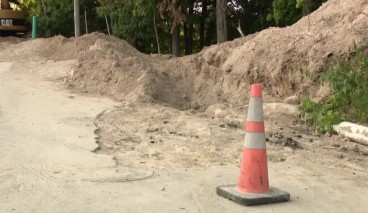
Elkhart Lake trench collapse shows why excavation safety cannot rely on luck
Jul, 25, 2026 | NewsA 55-year-old worker was rescued in Elkhart Lake, Wisconsin, after a trench collapsed and buried him...

Fatal excavation failure under investigation in Bushwick
Feb, 28, 2026 | NewsA trench collapse at a construction site in Bushwick, Brooklyn, left one worker dead and another cr...
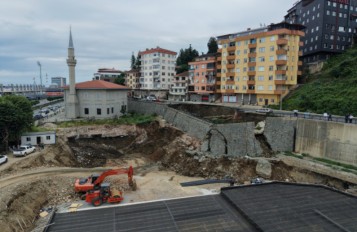
Road collapse in Rize shows the risk of unsupported excavation near urban buildings
Jul, 11, 2026 | NewsA road collapsed suddenly in Rize, Turkey, after ground movement developed beside an active building...

Fatal trench collapse in Windsor, Colorado
Apr, 16, 2019 | News2 persons were reported dead after a disastrous trench collapse in Windsor, Colorado on Tuesday, Ap...

Trench Collapse in Catonsville Kills Two Workers – March 2025 Investigation Underway
Feb, 28, 2025 | NewsOn February 28, 2025, a tragic trench collapse in Catonsville, Maryland, claimed the lives of two y...
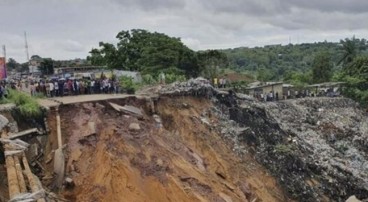
Deadly mining landslide in Central African Republic raises safety concerns
Jun, 10, 2026 | NewsAt least eight artisanal gold miners were killed after a landslide struck the Konyeme mining site in...

Trench Collapse in Houston: A Preventable Construction Tragedy
Feb, 06, 2025 | NewsA tragic incident unfolded in southwest Houston when a construction worker lost his life due to a t...

Construction Site Tragedy in Panchkula: Soil Collapse Injures Five Workers
Jan, 04, 2025 | NewsIn a tragic incident at Barwala Industrial Area, Panchkula, five laborers were injured when a pile...

Worker fatally falls at Hudson Tunnel construction site in Manhattan
Oct, 25, 2025 | NewsA fatal accident occurred on October 23, 2025, at a Hudson Yards construction site in Manhattan, wh...
On This Day
October 31st 1967
READ MORE
Related Video

Trending
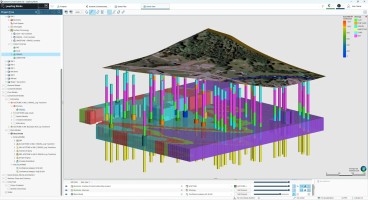
Brownfield success: Engineering excellence starts below ground

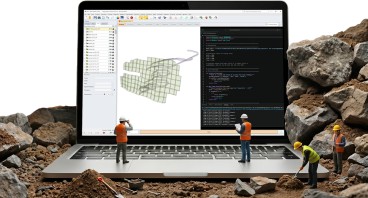
Scripting Comes to RS3: Automate, Customize, and Accelerate Your 3D Modelling

2D and 3D Analysis of Retaining Systems

Mine waste dam failure in Myanmar caught on video
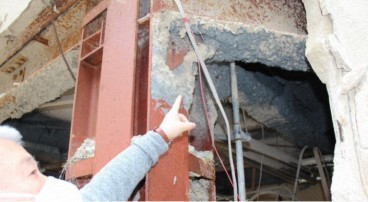
Asbestos remains a deadly infrastructure risk across the UK
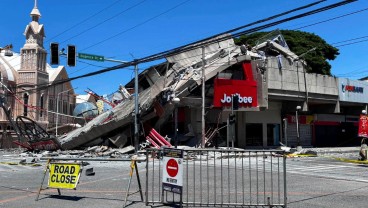
Major earthquake in southern Philippines causes deaths and widespread damage