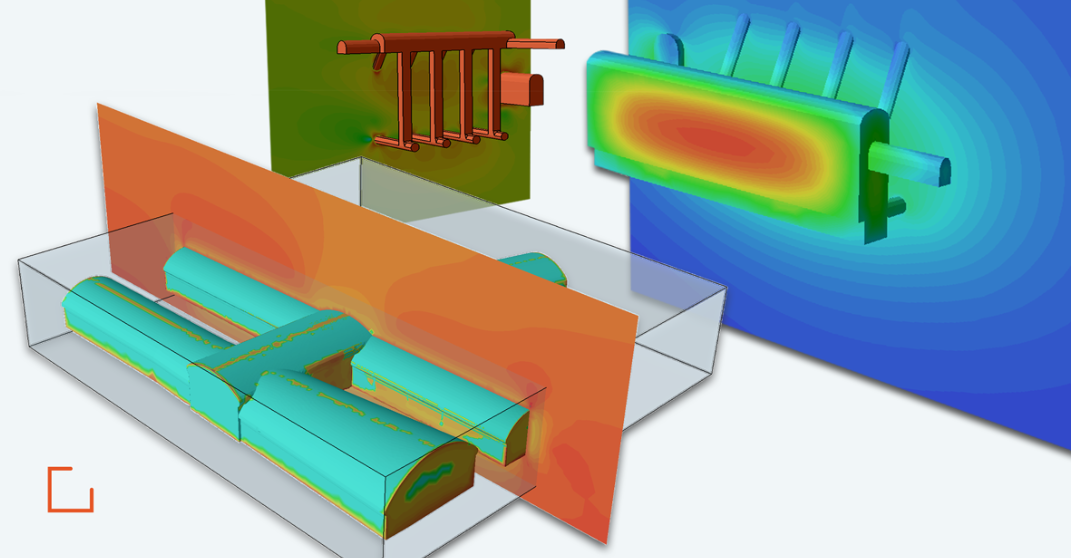
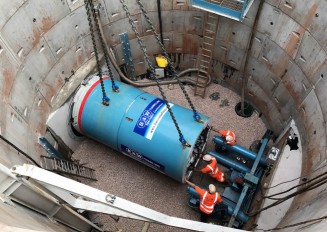
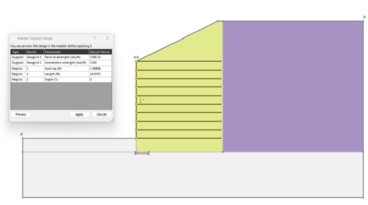
Numerical Modelling in Tunnel Construction in Urban Areas. Source: Rocscience
In an effort to enhance the safety, efficiency, and sustainability of urban tunnelling operations, groundbreaking research led by Professor Shinya Inazumi from the Shibaura Institute of Technology has introduced a new approach to analyzing soil plasticity during Earth Pressure Balance (EPB) shield tunnelling. This innovative method combines small-scale model experiments with advanced moving particle simulation (MPS)-based computer-aided engineering (CAE) analysis, offering a more precise and cost-effective solution for predicting soil behavior during tunnel excavation. The findings from this research were published in the journal Tunnelling and Underground Space Technology, marking a significant leap forward in geotechnical engineering.
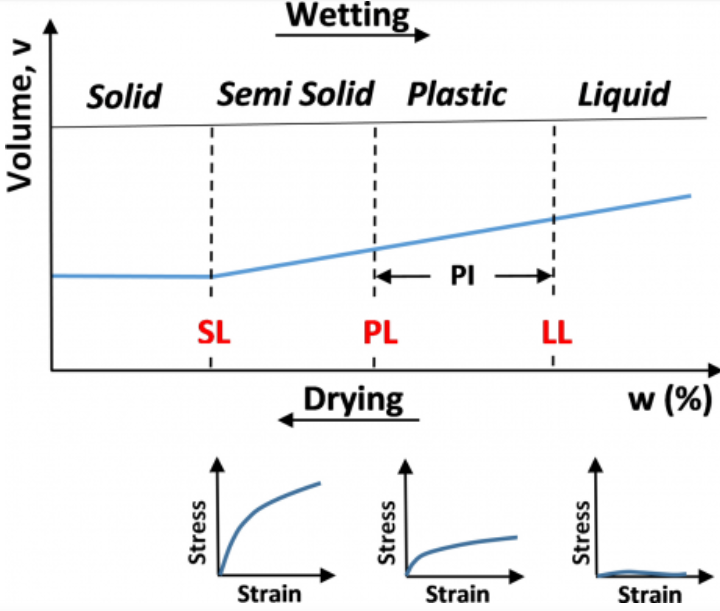
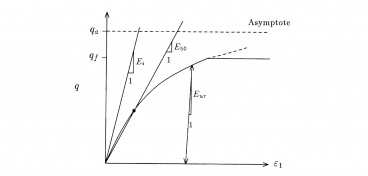
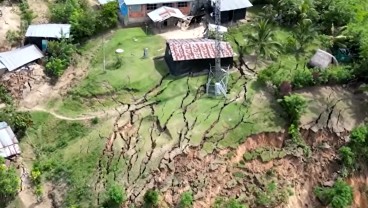
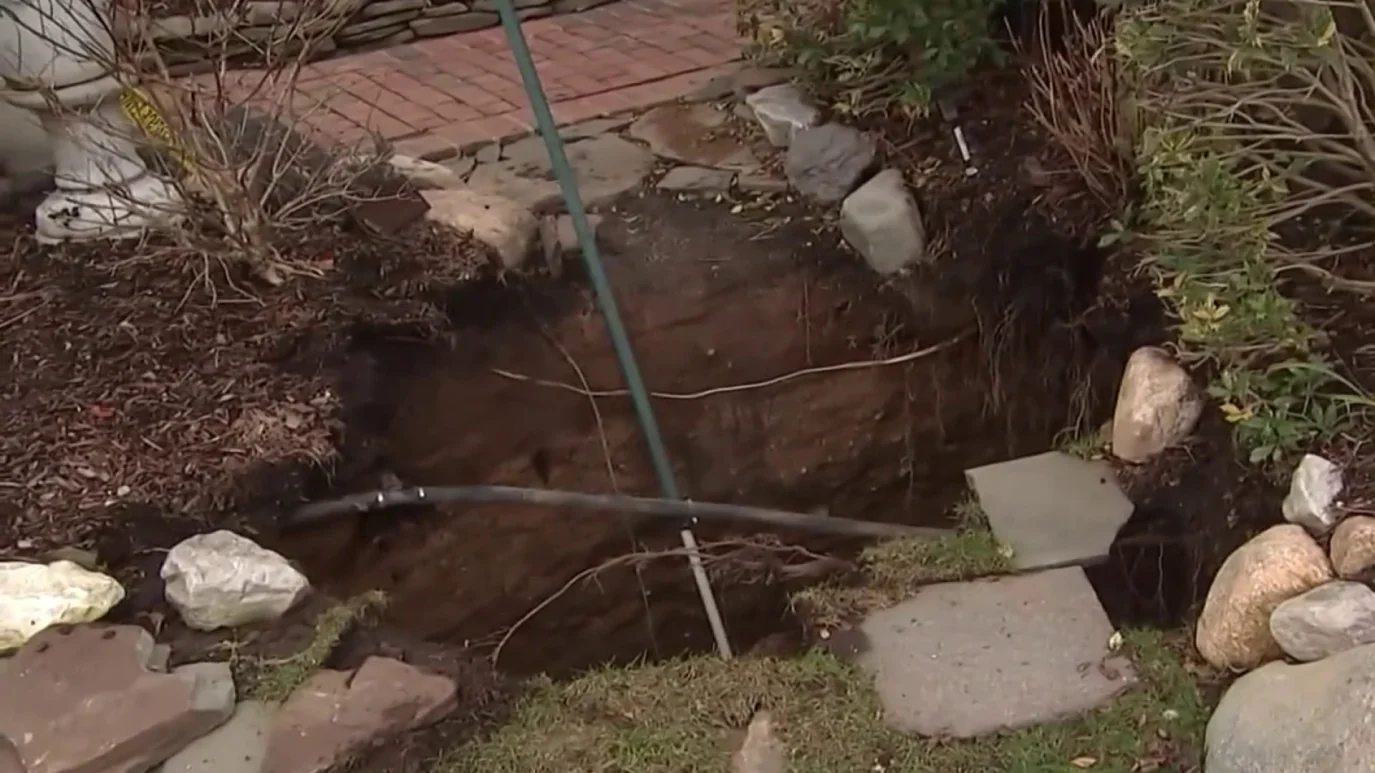
Soil Plasticity is one of the governing factors of soil behaviour and soil structure interaction. Source: ABG
Understanding Soil Plasticity in EPB Tunnelling
EPB tunnelling is a widely-used method for excavating tunnels, particularly in densely populated urban areas. The technique relies on using excavated soil to support the tunnel face by mixing the soil with additives like foam or bentonite solution to adjust its plasticity. This ensures the material is impermeable to water and easily transportable, maintaining tunnel stability. However, the precise relationship between the plasticity of muddy soil and earth pressure inside the tunnelling chamber has remained an area of limited understanding until now.
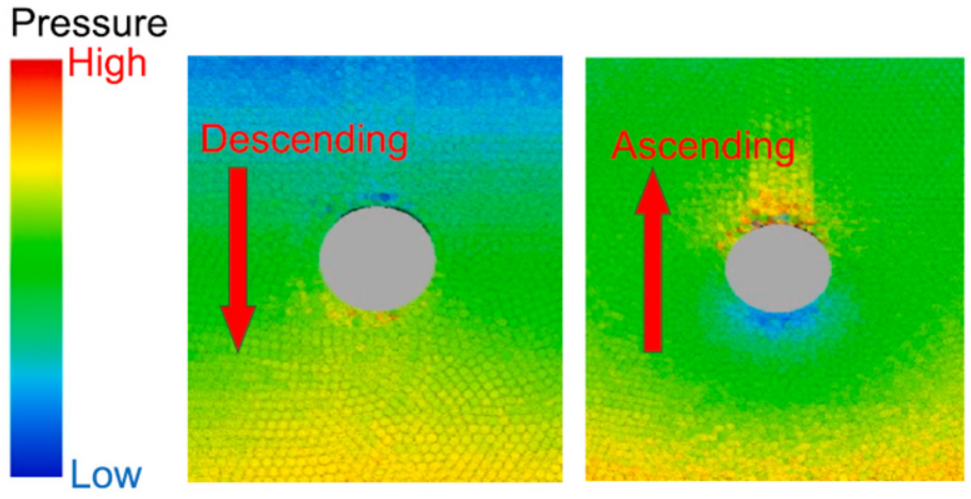
Professor Inazumi’s research fills this gap by utilizing a combination of model experimentation and MPS-CAE analysis to predict how changes in soil plasticity impact earth pressure. The small-scale experiments involved a sealable soil tank simulating the tunnelling process, while an agitation blade model measured the variations in earth pressure. Using MPS-based simulations, the team was able to accurately reflect these variations, correlating the plasticity of the soil with factors like vane shear strength and slump value, which are critical to tunnel stability.
The study found that earth pressure serves as a reliable indicator for assessing soil plasticity during tunnelling operations. By monitoring earth pressure, engineers can better predict ground behavior, allowing them to make real-time adjustments to maintain tunnel stability and optimize machine performance. This is particularly valuable in urban settings, where tunnel operations must minimize ground disturbances to avoid damaging surrounding infrastructure.
These findings offer valuable insights into muddy soil plasticity, enhancing the safety and efficiency of Earth Pressure Balance tunnelling operations. Source: Research Paper at Shibaura Institute of Technology
Improving Efficiency and Reducing Environmental Impact
One of the major advantages of this approach is its ability to reduce both the cost and time required for field analysis. Traditionally, evaluating soil plasticity and its effect on earth pressure in real-world conditions can be a time-consuming and expensive process. The combination of small-scale experimentation and MPS-CAE analysis streamlines this process, providing a more efficient solution for geotechnical engineers.
Moreover, this method has significant environmental benefits. By optimizing soil plasticity management, the need for chemical additives like bentonite is reduced, which in turn lowers the environmental impact of the tunnelling process. The research team also aligned their work with the United Nations’ Sustainable Development Goals (SDGs), emphasizing the importance of sustainability in civil engineering projects.
A Future for Safer and Sustainable Urban Tunnelling
The results of this study could have a direct impact on the construction of underground infrastructure, including subway systems, utility tunnels, and roads in urban environments. The ability to predict ground behavior and optimize soil plasticity during EPB tunnelling could prevent costly delays, reduce structural damage, and improve overall project safety.
As cities grow and become more reliant on underground infrastructure, innovative solutions like MPS-CAE analysis will be critical to ensuring safe, efficient, and environmentally sustainable construction. Professor Inazumi’s research not only provides new insights into soil plasticity management but also opens the door to future developments in the field of geotechnical engineering.
Geoengineer.org uses third party cookies to improve our website and your experience when using it. To find out more about the cookies we use and how to delete them visit our Cookies page. Allow cookies