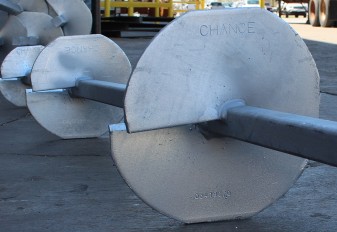
Scotland's railway resilience work puts earthworks and drainage first


Sources: railbusinessuk.com, railtechnologymagazine.com, heraldscotland.com
Want to read more like this story?

Protecting Railways: £33M Investment to Prevent Landslides
Sep, 26, 2024 | NewsNetwork Rail is undertaking a £33m project aimed at preventing landslides along a section of the E...
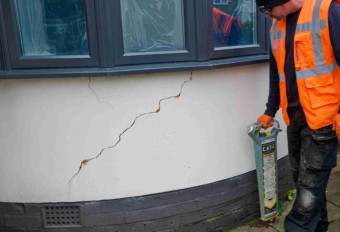
Ireland's climate risk is becoming a ground risk
Aug, 08, 2026 | NewsClimate adaptation in Ireland can no longer be treated only as a flood defence or coastal protection...
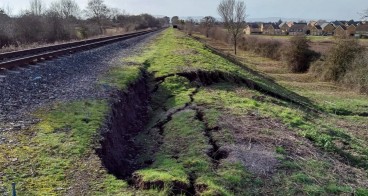
Why historic clay embankments are increasingly vulnerable? The Gloucestershire’s railway landslip
Apr, 22, 2026 | NewsA renewed embankment failure on the Gloucestershire Warwickshire Steam Railway has highlighted how s...
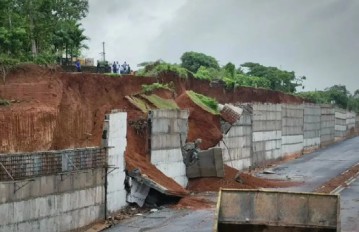
Heavy rain triggers retaining wall collapse at highway construction site in Karnataka
Jul, 02, 2026 | NewsA retaining wall and part of a hillside collapsed at an under-construction National Highway site nea...

Deep Foundations, Steady Rails: The £33M Fix for East Coast Mainline Landslide
Apr, 28, 2025 | NewsThe East Coast Mainline, one of the UK’s most vital railway corridors, recently faced a serious geo...

Geotechnical Upgrades Planned for Kent Rail Corridor
Jun, 13, 2025 | NewsNetwork Rail will undertake a strategic upgrade of the Redhill to Tonbridge railway line in August...
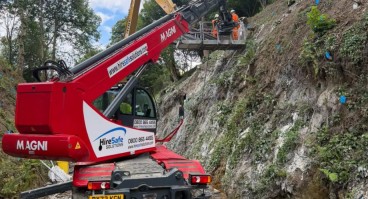
Soil nails replace temporary barriers at Dinah's Hollow landslip route
Jul, 12, 2026 | NewsA long-running slope stability problem on the C13 at Dinah's Hollow in Dorset has reached the halfwa...
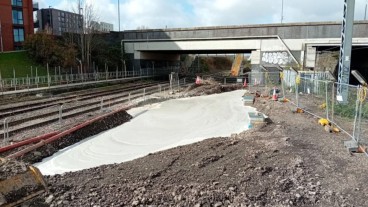
Emergency ground stabilisation protects rail works near Salford Central
May, 21, 2026 | NewsEmergency ground stabilisation works have been completed near Salford Central Railway Station after...

Slope Stability
Jun, 02, 2019 | EducationA slope is an inclined ground surface which can be either natural or human-made. Slope stability...
On This Day
September 9th 2011
READ MORE
Related Video

Trending

Tiebacks vs. soil nails: Choosing the right earth retention solution
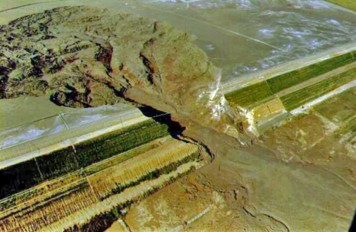
When Dams Fail: The Growing Crisis of Tailings Management
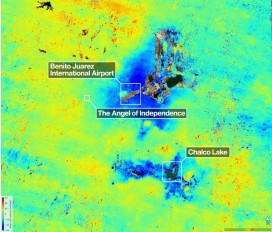
Mexico City’s sinking crisis mapped by next-generation satellite
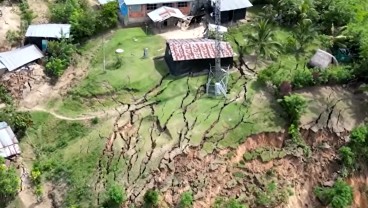
Landslide in Northern Peru Forces Evacuation of Over 170 Residents
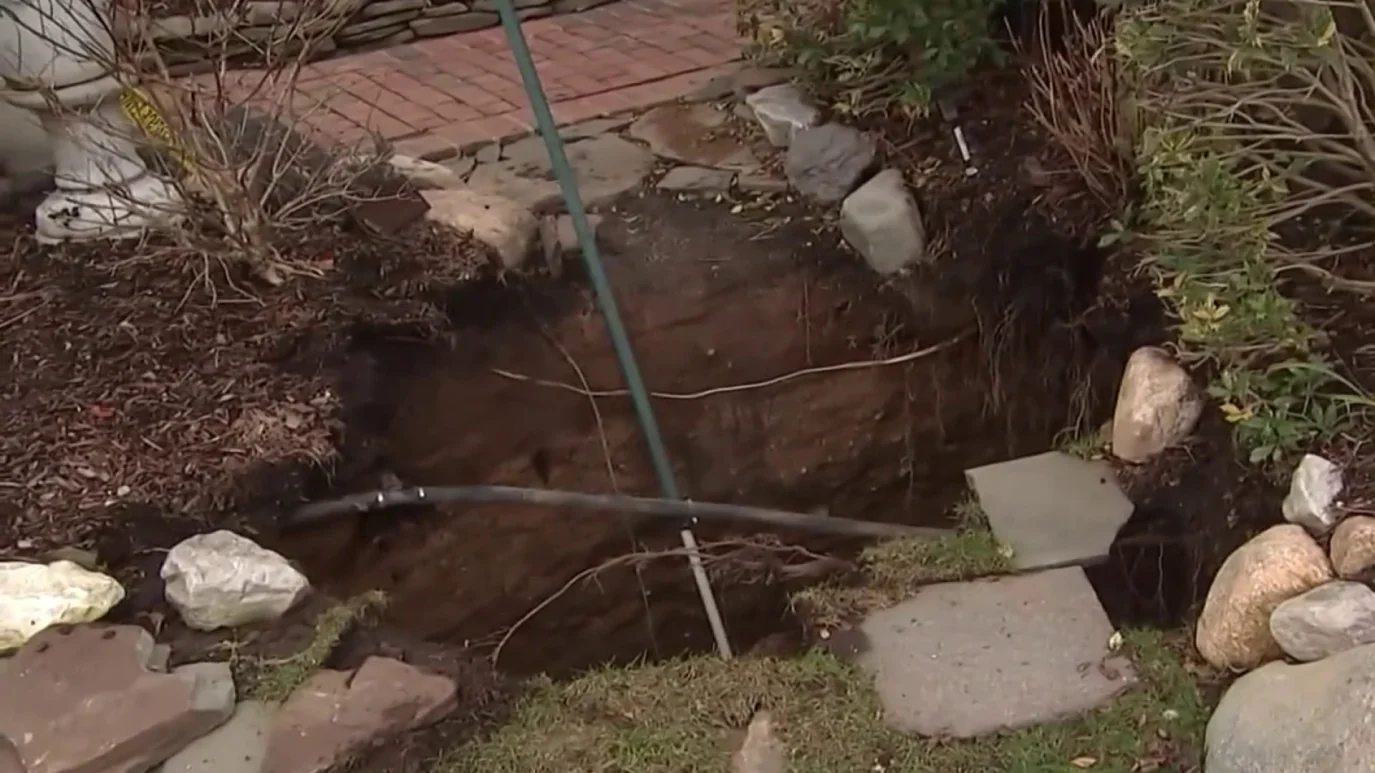
Sinkhole outside home in Huntington Station, on Long Island: 3 fall into
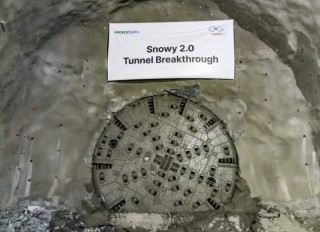
Tailrace tunnel breakthrough advances Australia’s largest renewable project

A Legacy of Leadership, Mentorship & Service: Gary L. Seider P.E.