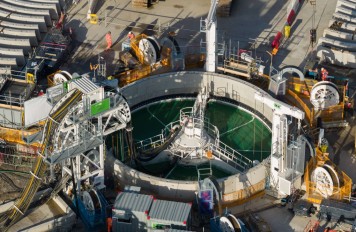
Ship Canal project adds 112 million litres of underground wastewater storage


Sources: tunnelingonline.com, webuildgroup.com, tunnelingworld.com
Want to read more like this story?
Major wastewater tunnel procurement begins in southern Sweden
Jun, 02, 2026 | NewsSwedish regional water utility VA SYD has launched the procurement process for the tunnel and shaft...

8 new U.S. tunnels under way: fascinating and challenging
Jan, 10, 2014 | NewsWhether you live in the U.S. or not you will find the following tunnels that are currently being bui...

Work advances on Auckland's $260M Herne Bay wastewater tunnel
Oct, 13, 2026 | NewsConstruction is gathering pace on Auckland's NZ$260 million Herne Bay Collector, a new wastewater tu...

Auckland’s Underground Giant Emerges After 4 Years of Tunneling
Mar, 28, 2025 | NewsOn March 28, 2025, Auckland’s most ambitious underground engineering project reached a historic mil...

3 major East Coast tunnel, the Hudson Tunnel, the Howard Street Tunnel and the Chesapeake Bay Bridge Tunnel, projects move forward
Jan, 11, 2022 | NewsThree major tunnel projects that connect key transportation arteries on the East Coast are advancin...
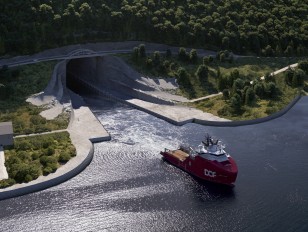
First ship tunnel to be constructed in Norway
Mar, 24, 2021 | NewsNorway plans for a pioneering construction project that will facilitate ship transportation. The pl...

California's landslide bypass tunnel moves into design
Aug, 26, 2026 | NewsCaltrans has advanced the Last Chance Grade tunnel project into detailed design, moving closer to a...

Video: Digging smart tunnels under London - an underground high-tech lab!
Jun, 19, 2014 | NewsCrossrail - the largest infrastructure project currently under construction in Europe - wi...

Qatar: Excavation works begin for one of the country’s largest drainage tunnels
Feb, 20, 2022 | NewsPublic Works Authority 'Ashghal' has announced the commencement of excavation works of the main dra...
On This Day
October 21st 2021
READ MORE
Related Video

Trending

Tiebacks vs. soil nails: Choosing the right earth retention solution
When Dams Fail: The Growing Crisis of Tailings Management

Mexico City’s sinking crisis mapped by next-generation satellite
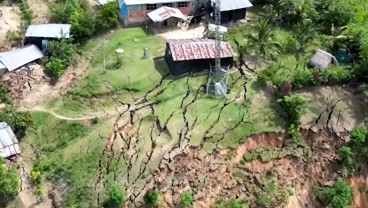
Landslide in Northern Peru Forces Evacuation of Over 170 Residents
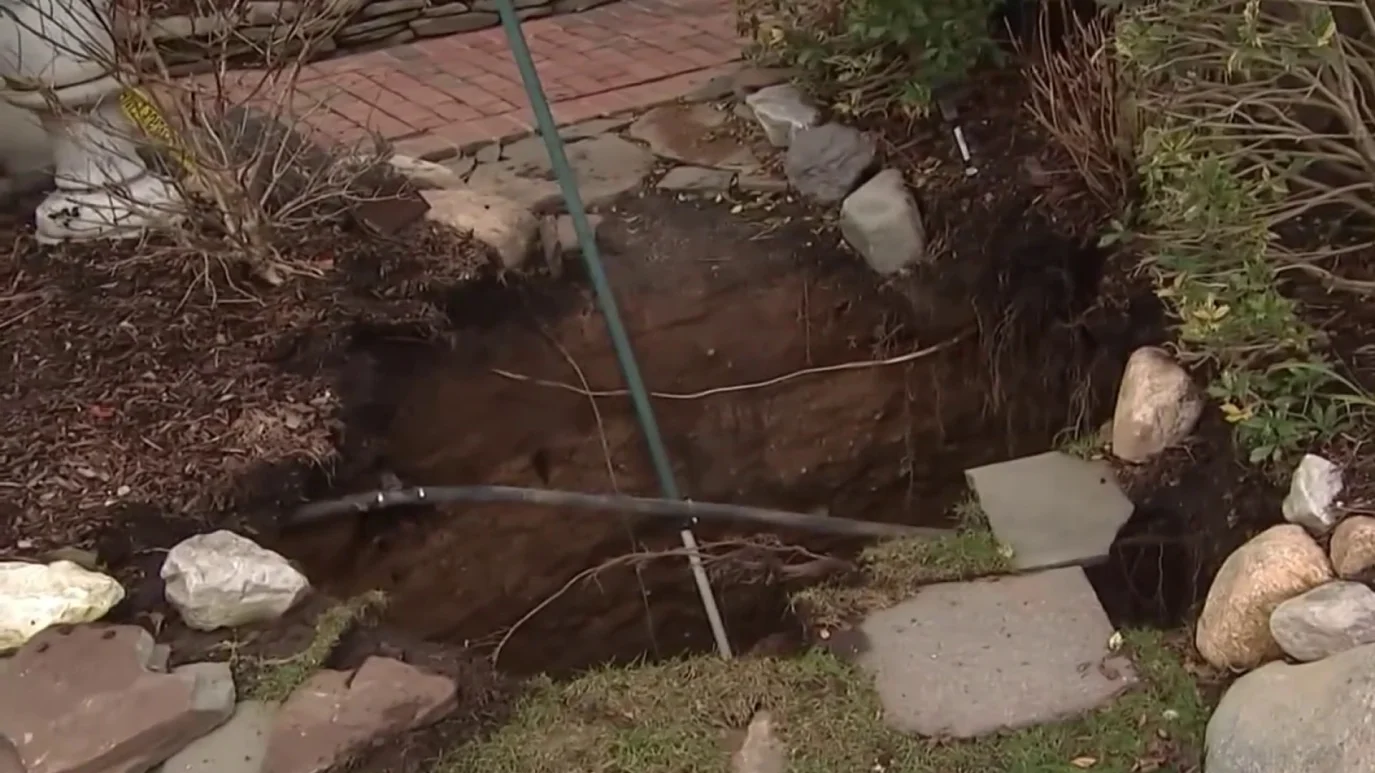
Sinkhole outside home in Huntington Station, on Long Island: 3 fall into

Emergency ground stabilisation protects rail works near Salford Central