Georgia and Tennessee towns assess damage after exceptional rainfall and flooding


Sources: abcnews.com, US/wireStory, apnews.com, the-sun.com
Want to read more like this story?

Three dead and infrastructure damaged as eastern Spain recovers from severe flooding
Oct, 07, 2026 | NewsCommunities in eastern Spain are assessing the damage left by several days of intense rainfall and f...

Floods and landslides kill 70 across India and Nepal as rivers exceed danger levels
Sep, 27, 2026 | NewsHeavy rainfall, flooding and landslides have killed at least 70 people across India and Nepal, while...

Severe flooding puts New Mexico dam and downstream communities at risk
Oct, 01, 2026 | NewsSevere flash flooding in southern New Mexico forced the evacuation of several communities in Dona An...

The aftermath of torrential rain and floods in Latin America is the displacement of over 200,000 people
Jul, 02, 2014 | NewsExtensive flooding in at least three Latin American countries is causing the evacuation of many prov...

Rainfall saturation triggers deadly hillside collapses in Ethiopia
Mar, 13, 2026 | NewsAt least 102 people have been killed after a series of landslides and floods struck the Gamo Zone i...
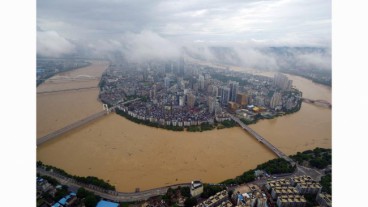
Flooding in China Causes Landslides and Leaves Over 170 Dead
Jul, 04, 2016 | NewsLast week, widespread flooding in the Yangtze river basin in China has left over 170 dead and millio...

China devastated by extreme rainfalls: Dam destroyed to alleviate flooding
Jul, 19, 2020 | NewsChina decided to demolish a dam in order to reduce the upstream flooding and prevent further distra...

Emergency Response to Louisiana Flooding Continues
Aug, 12, 2016 | NewsThe Louisiana State Government continues to send aid in response to the mass flooding throughout muc...

Panama assesses widespread earthquake damage as fresh 6.1 quake rattles southern region
Oct, 10, 2026 | NewsPanama is assessing widespread damage to homes, schools, churches, roads and bridges after a powerfu...
On This Day
November 9th 2000
READ MORE
Related Video

Trending

Embankment Collapse on NH-66 in Kooriyad Triggers Engineering and Oversight Review

Fehmarnbelt tunnel advances with first element ready for immersion

Geotechnical Engineering 2032 Boom: Trends, Challenges, and Emerging Opportunities

Emergency protocols activated following offshore 7.7 magnitude earthquake in Japan
Emergency ground stabilisation protects rail works near Salford Central