New Zealand's first underground railway begins passenger service

Sources: megaproject.com, globalconstructionreview.com, railtechnologymagazine.com
Want to read more like this story?
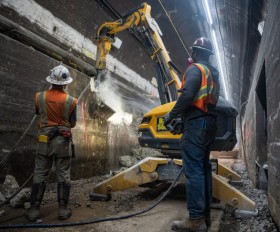
Century-old New York rail tunnel rebuilt after corrosive flood damage
Aug, 17, 2026 | NewsAmtrak has reopened Line 2 of the East River Tunnel in New York, completing the first major phase of...

Werrington Tunnel: 'UK engineering first' underground freight route officially opens
Dec, 08, 2021 | NewsThe rail minister has officially opened a £200m railway tunnel dubbed a "UK engineering first". T...
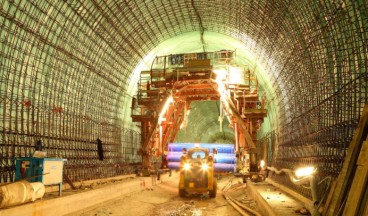
Polcevera ventilation tunnel completed for Italy’s Terzo Valico project
Jun, 28, 2026 | NewsExcavation has been completed on the 2 km Polcevera ventilation tunnel, a key underground element of...
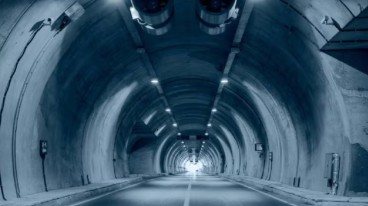
India first underwater road and rail tunnel under Brahmaputra
Jun, 15, 2026 | NewsIndia has approved the construction of its first underwater road-cum-rail tunnel beneath the Brahmap...
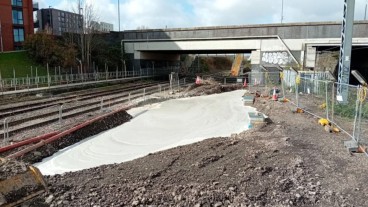
Emergency ground stabilisation protects rail works near Salford Central
May, 21, 2026 | NewsEmergency ground stabilisation works have been completed near Salford Central Railway Station after...
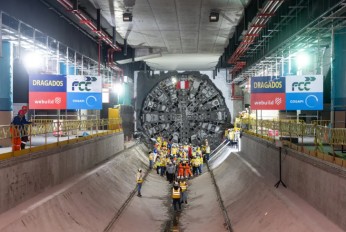
Lima completes tunnel excavation for Peru’s first fully underground metro
Jul, 20, 2026 | NewsExcavation has been completed on Lima Metro Line 2, marking a major milestone for Peru’s first fully...

Protecting Railways: £33M Investment to Prevent Landslides
Sep, 26, 2024 | NewsNetwork Rail is undertaking a £33m project aimed at preventing landslides along a section of the E...

3 major East Coast tunnel, the Hudson Tunnel, the Howard Street Tunnel and the Chesapeake Bay Bridge Tunnel, projects move forward
Jan, 11, 2022 | NewsThree major tunnel projects that connect key transportation arteries on the East Coast are advancin...

Bentley Systems Issues Call for Nominations for the 2021 Going Digital Awards in Infrastructure
Mar, 30, 2021 | NewsBentley Systems, Incorporated has announced its call for nominations for the 2021 Going Digital Awa...
On This Day
September 21st 2011
READ MORE
Related Video

Trending

Lake Chippewa’s floating island that has to be boat-pushed every year

How to Model Piles in PLAXIS

3 Types of Retaining Walls and Revetments


How Do Dams Trigger Earthquakes?
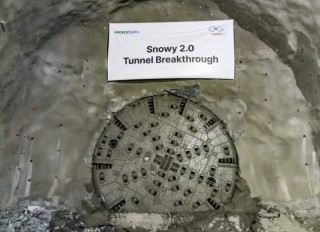
Tailrace tunnel breakthrough advances Australia’s largest renewable project

A Legacy of Leadership, Mentorship & Service: Gary L. Seider P.E.